

Regions
Look at the workforce solution through the way your region's market actually moves.
The same workforce problem is not solved through the same logic in Tallinn, Tartu, Parnu and Ida-Viru County. The regional view helps evaluate how fast, broad and flexible the solution actually needs to be in your location.
Regional logic
Start from what actually defines workforce need in your region.
The same need means different things in different regions. In one place speed and competition dominate, elsewhere the issue is a distributed market and practical fit, and in a third context seasonality or the need for a wider candidate base.
01
Tallinn and Harju County
Fast launch in a dense market and the need to support several locations at once.
02
Tartu and South Estonia
The solution has to fit both Tartu and the surrounding region's different pace.
03
Parnu and Ida-Viru County
Seasonal spikes or a broader candidate search change the normal workforce model.
Regional overview
Each region needs a workforce solution built around its own local logic.
Each view shows how the local labor market really works, where pressure appears, and which services fit local reality best.
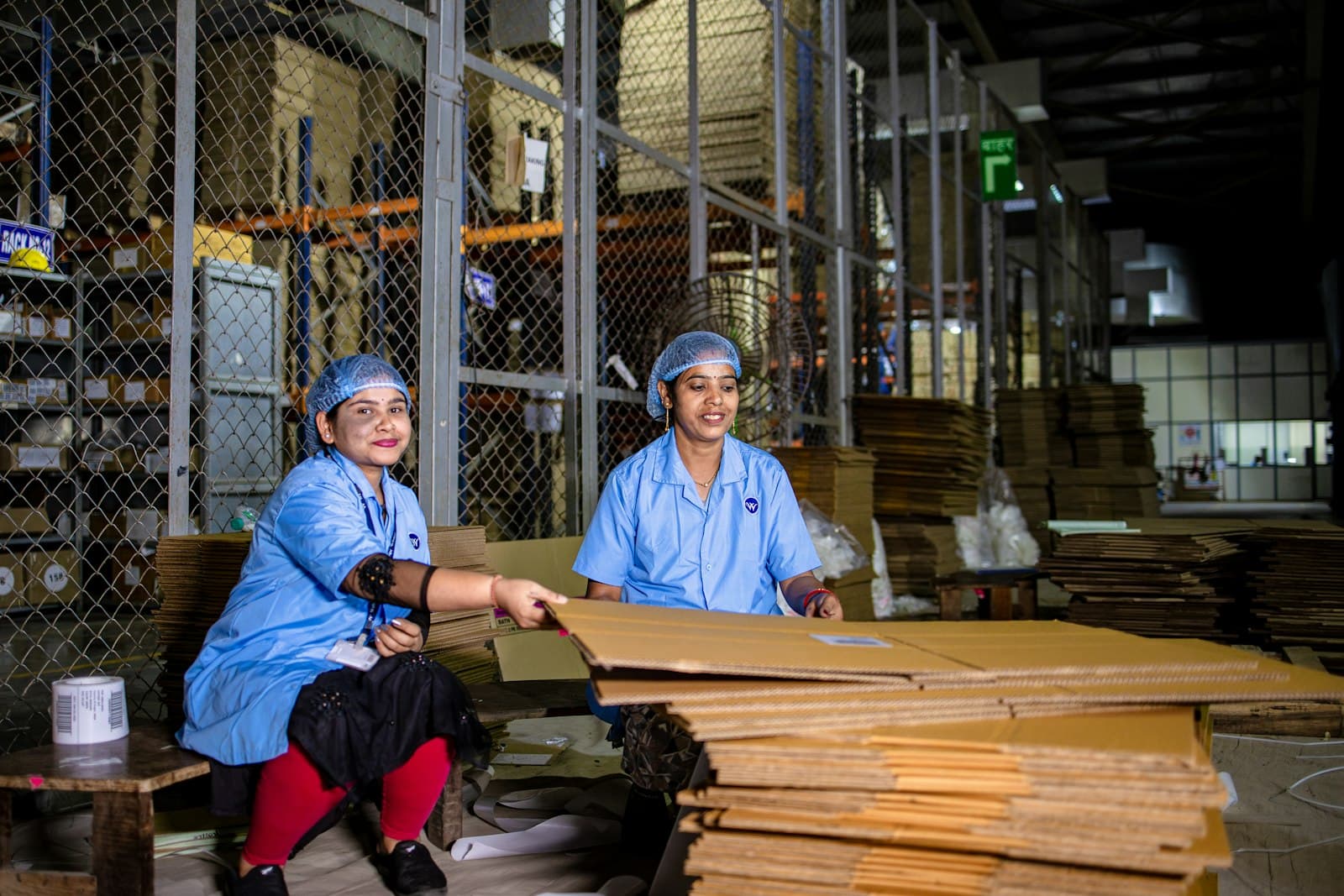
When volume and pace hit at once
Companies in Tallinn and Harju County often need a partner who can react quickly to higher volume, tighter competition and multi-location needs.
Regional need
High volume and fast pace in the region mean the workforce solution has to be flexible, fast and tightly coordinated at the same time.
Common searches
workforce rental Tallinnrental labor Harju Countystaffing Tallinn
Typical pressure points
- Competition for labor is intense and the need often appears quickly.
- Roles and sites can be spread across several locations at once.
- Workforce demand can fluctuate across manufacturing, warehousing, construction and service in parallel.
Most commonly linked services

When practical fit matters most
Companies in Tartu and South Estonia need a workforce solution that matches the region's industrial, service and logistics rhythm.
Regional need
What matters in the region is combining the local labor market, production needs and practical launch so the workload does not stay uncovered.
Common searches
workforce rental Tarturental labor South Estoniastaffing Tartu
Typical pressure points
- Workforce demand often comes from manufacturing and service work moving at different speeds.
- In South Estonia, practical fit matters more than just CV volume.
- Demand may be spread across the region, not only inside Tartu.
Most commonly linked services
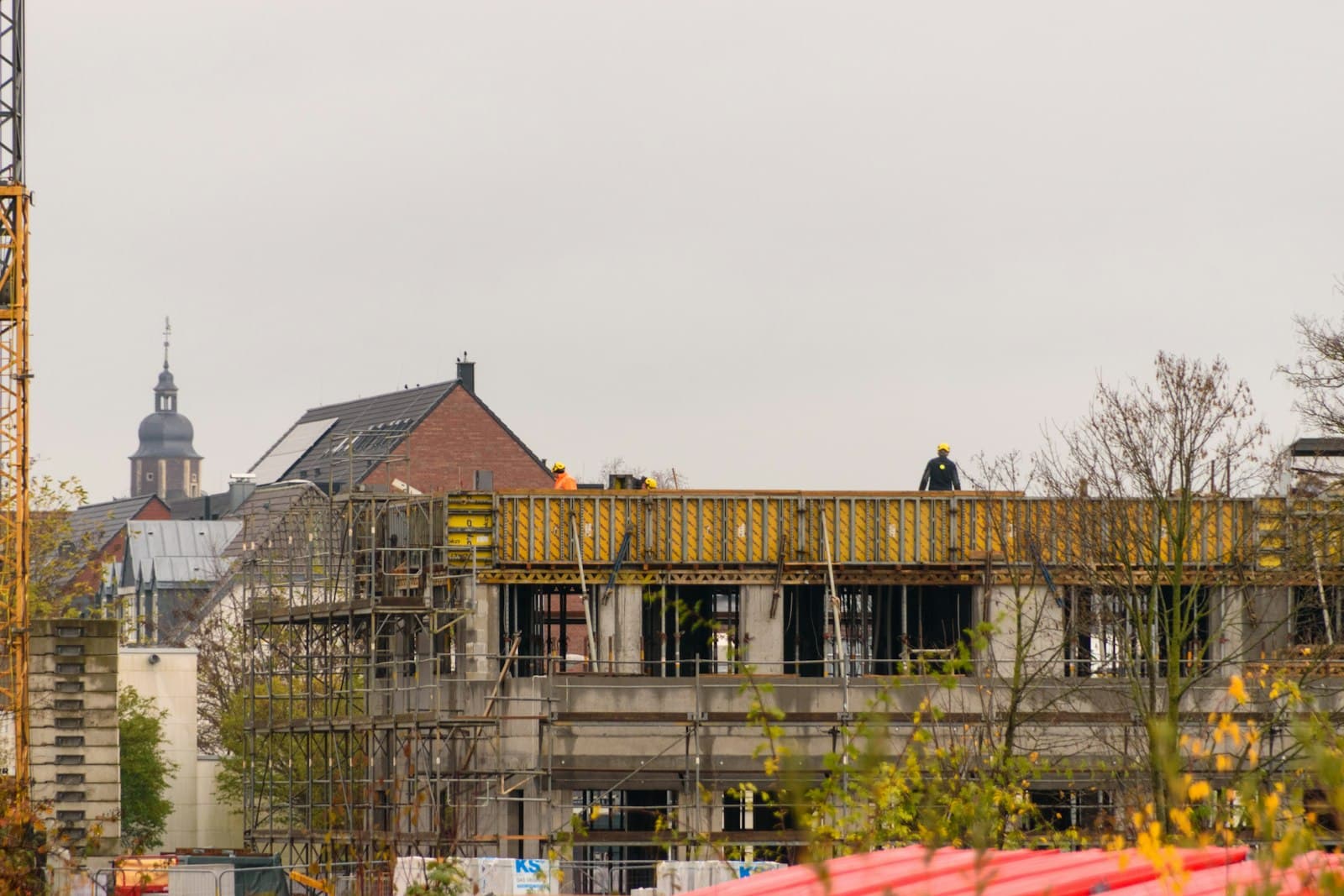
When workload moves by season
In the Parnu region, workforce demand is strongly affected by seasonality, project-based work and short-term service peaks.
Regional need
What matters most is the ability to react exactly when volume suddenly grows and the internal team cannot keep up.
Common searches
workforce rental Parnuseasonal workforce Parnustaffing Parnu
Typical pressure points
- Seasonal volume can rise quickly.
- Service, construction and manufacturing may all need different types of extra labor in the same region.
- Temporary needs must stay manageable without heavy admin burden.
Most commonly linked services
When the local base needs to be widened
In Ida-Viru County, workforce solutions often need to combine local and cross-border capacity while keeping industrial pace running.
Regional need
The region often requires a wider candidate view and strong coordination across manufacturing, logistics and project-based needs.
Common searches
workforce rental Ida-Virurental labor Narvastaffing Kohtla-Jarve
Typical pressure points
- The local market may not always provide enough volume or the right profile.
- Industrial pace and logistics specifics require a predictable launch.
- The regional labor model often needs both speed and a wider candidate base.
Most commonly linked services
Next step
Once the region is clear, choose which service model should make it work.
Each service solves a different bottleneck. Here you can choose whether the next move is rapid staffing, a wider candidate search or lower day-to-day administrative load.
01
Rapid staffing
Workforce rental
When you need people quickly in manufacturing, warehousing, construction or seasonal work.
- Best when the need has to be turned into active work in a short timeframe.
- Works especially well in regions where volume or shifts change quickly.
02
Wider candidate base
International workforce
When the local labor market cannot provide the required volume or profile fast enough.
- When the local market cannot cover the needed volume or profile in a reasonable time.
- Strongest where the region needs additional capacity beyond the local base.
03
Less operational noise
Administration and payroll
When the biggest load is not sourcing people, but daily workforce administration and coordination.
- When people are in place but day-to-day coordination takes too much time.
- A good fit in growing volume or when managing several regional needs at once.
Regional FAQ
Frequently asked questions about regional logic and service choice.
The regional view explains how the same workforce need changes across different markets. That makes it easier to choose whether your next step should focus on speed, reach or a clearer admin model.
Not sure which region to start from?
Describe the need01Should I start from the region page or the sector page?
If your biggest question is labor availability, local market pace or regional competition, start from the region page. If the question is more about workflow or sector-specific operating pace, start from the sector page.
02Does one region always mean the same service model?
No. The region gives the market frame, but service choice depends on whether you need rapid staffing, a wider candidate search or a clearer workforce administration model. The same region can require different answers for different companies.
03Why is a regional page useful if I just need people on site?
Because labor availability, response speed and candidate base are not equal in every region. The regional view helps avoid a situation where the service choice is right in theory but does not reflect local market reality.
04Do regions and sectors work together?
Yes. Region shows the labor market you are operating in, and sector shows the workload pattern or operating pace that creates the need. The strongest solution comes from thinking both through together.
If you need workforce support, start with a short and concrete brief.
Describe the role, number of people, location, and desired start date. That is enough for us to define a realistic first direction and get the next step moving quickly.

Brief locked inClear input helps us reach the right people faster.