

Sectors
Choose the workforce solution based on how your sector actually works.
Construction, manufacturing, logistics and seasonal service work do not buy workforce support through the same logic. A sector view helps clarify where the real pressure appears and which workforce model makes sense for that situation.
Sector logic
Start from the workflow pressure your sector actually creates.
The sector view explains why the same workforce shortage means different things in different fields. In one place the issue is projects and deadlines, elsewhere shifts and throughput, and in a third context seasonality or short-term spikes.
01
When work moves by project
Deadlines and phases
A fit for sectors where team size changes with projects and work stages.
Why this view helps
It lets you define the real operating pace, response speed and coordination model before choosing the service.
02
When work moves by shifts
Pace and throughput
Critical where downtime or an uncovered shift immediately affects output.
Why this view helps
It lets you define the real operating pace, response speed and coordination model before choosing the service.
03
When work moves by season
Load spikes
The right lens when need grows quickly because of campaigns, seasonality or temporary volume.
Why this view helps
It lets you define the real operating pace, response speed and coordination model before choosing the service.
Sector overview
Each sector needs a workforce solution built around its own operating logic.
These are not just industry listing pages. Each view shows what drives pace in that sector, when pressure builds, and which services fit the workflow best.

When work moves by projects and deadlines
In construction, pressure is usually tied to deadlines, project stages and quickly changing crew needs.
When this view helps
A strong fit when a site must keep moving without delay and your own team cannot cover the required volume or pace.
Typical pressure points
- A project starts or moves to the next phase with short notice.
- Team size has to change with deadlines and work phases.
- Replacements and extra labor must get on site without waiting for a long recruitment cycle.
Most commonly linked services

When shifts and volume have to hold together
In manufacturing, the biggest risk is having demand in place while staffing cannot keep up with pace or shift needs.
When this view helps
A strong fit when lines, shifts or seasonal volume require a flexible workforce model without long recruitment delay.
Typical pressure points
- Shifts must be filled quickly and downtime is costly.
- Order volume changes faster than internal hiring capacity.
- Absences or rising volume require fast replacements.
Most commonly linked services
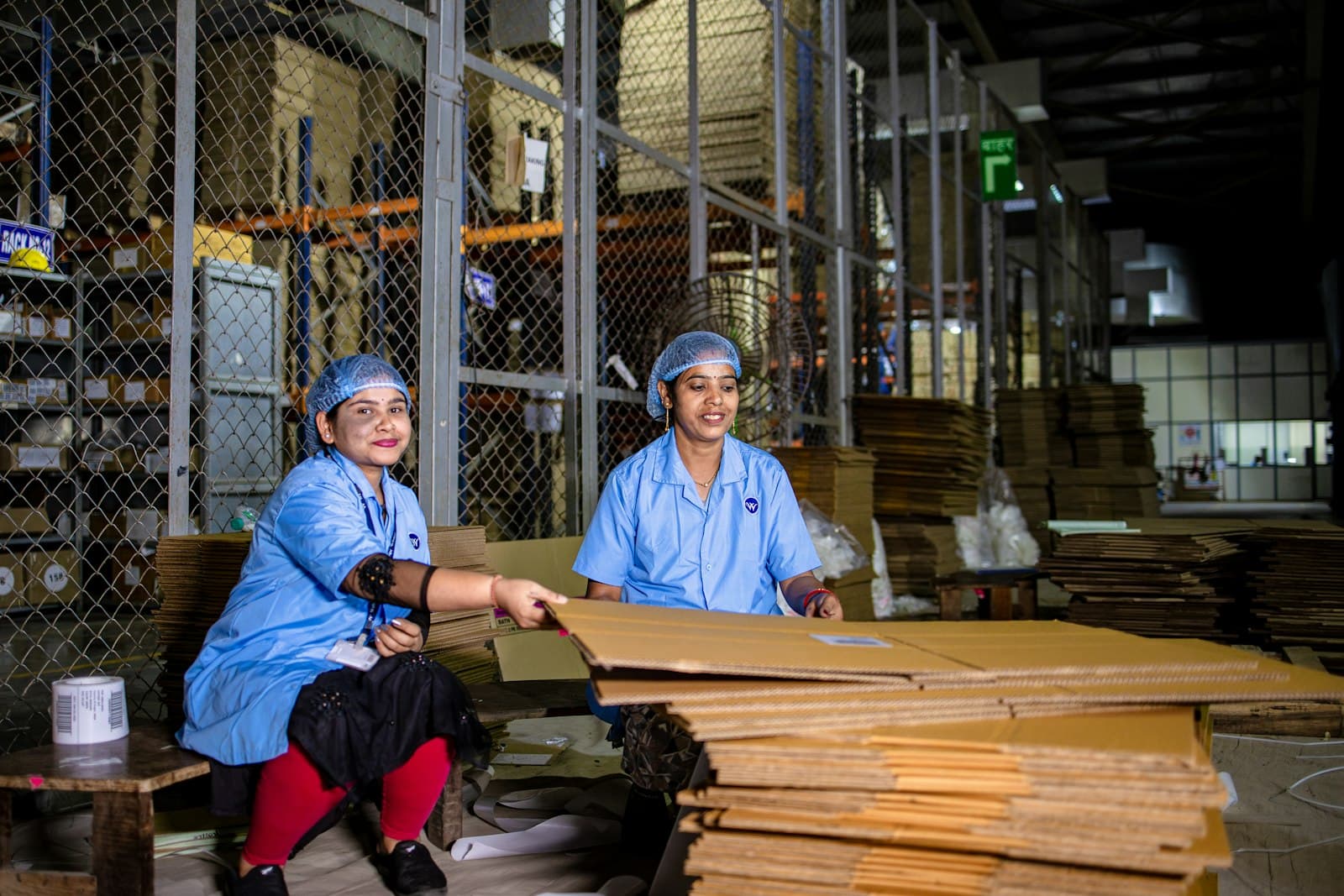
When supply chain pace does not allow waiting
In warehousing and logistics, it is critical that workers arrive in the right shift on time and that volume spikes do not break the supply chain.
When this view helps
A strong fit when warehouse volume, sorting or picking needs flexible extra capacity and fast response across shifts.
Typical pressure points
- Volume rises sharply during seasons or campaigns.
- People are needed in several shifts or locations at once.
- Supply chain pace does not allow waiting for a long recruitment process.
Most commonly linked services
When need jumps with season and workload
In service and seasonal work, need changes fast and the workforce solution has to move in weeks and days, not quarters.
When this view helps
A strong fit when you need extra labor quickly for a short-term workload, campaign, season or event.
Typical pressure points
- Volume spikes because of campaigns, events or seasonality.
- The need is temporary, but reaction has to be quick.
- Coordination has to stay simple even in short-duration needs.
Most commonly linked services
Next step
Once the sector is clear, choose the service based on how the need should be solved.
This section does not repeat the sector cards. It helps move to the next decision. Once you understand the workflow behind the pressure, choose whether the next move is rapid staffing, a wider talent market, or lower administrative load.
When you need extra hands quickly
Workforce rental
Fast added capacity in manufacturing, construction, warehousing and seasonal projects.
Especially relevant in sectors
Construction, Manufacturing, Logistics and warehouse, Service and seasonal work.
When the local market cannot cover the need
International workforce
Situations where candidate shortage must not block volume or launch.
Especially relevant in sectors
Construction.
When workforce admin overloads the team
Administration and payroll
Growing or operationally demanding companies where daily workforce admin has become a bottleneck.
Especially relevant in sectors
Manufacturing, Logistics and warehouse.
Sector FAQ
Frequently asked questions about sector logic and service choice.
If the issue is not yet defined at service-name level, the sector view helps explain which operating logic the need is actually tied to.
Not sure which angle to start from?
Ask for guidance01Should I start from the sector page or the service page?
If your main question is how your sector actually works and where pressure appears, start from the sector page. If the issue is already clearly at service level, such as rapid staffing or workforce administration, you can go straight to the services page.
02Does one sector always mean only one service?
No. A sector describes the operating context, not a rigid one-service answer. In many cases the strongest model combines workforce rental with international workforce or links rapid staffing with a later administration model.
03What do I gain from a sector page if I simply need people quickly?
A sector view prevents a solution from becoming too generic. The same urgent need means different things in construction, manufacturing and service work, and it affects candidate profile, launch pace and how the team should be managed.
04Does sector-page logic apply across Estonia or only in some regions?
The logic applies across Estonia, but region always affects candidate availability, shift setup and response speed. That is why sectors and regions are built as connected but separate views on the Merivex site.
If you need workforce support, start with a short and concrete brief.
Describe the role, number of people, location, and desired start date. That is enough for us to define a realistic first direction and get the next step moving quickly.

Brief locked inClear input helps us reach the right people faster.